


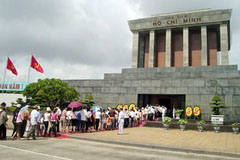
Le mausolée de Ho Chi Minh est situé sur la place Ba Dinh, à Hanoï au Viet Nam. Le mausolée a été construit pour accueillir la dépouille mortelle de Ho Chi Minh, fondateur de la République démocratique du Viêt Nam,...
.jpg)
Tour du drapeau, bombardiers ennemis détruits, photos et armes des guerres contre la Chine, la France et les États-Unis : plongez dans le passé tumultueux du pays.Dans le centre de Hanoi, le Musée d'histoire militaire du Vietnam présente les guerres...
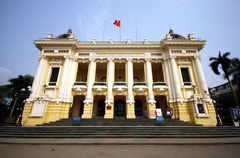
Ce bâtiment historique, pièce maîtresse du quartier français de Hanoi, accueille de nombreux chanteurs, danseurs et musiciens vietnamiens célèbres.L’opéra est situé sur une belle place, au carrefour des rues Trang Tien et Hang Khay. En...
.jpg)
Village de bijoux Dinh CongAdress: Cité Dinh Cong, district de Hoang Mai , HanoïProduits: Les bijoux en argentMon village est plein de bijoutiers / Puis-je vous faire une petite bague? »Le verset nous rappelle Village de bijoux Dinh Cong près de Hanoi qui une...
.jpg)
Village de "bánh chưng" Tranh KhucAdress: Village Thanh Khuc, Commune Duyen Ha, district de Thanh Tri, HanoïProduits: "Banh Chung" - gâteaux de riz gluant Le village de Tranh Khuc (commune de Duyên Ha, district de Thanh Tri,...
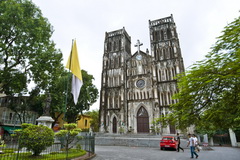
La cathédrale Saint-Joseph (Nha Tho Lon) à Hanoï, capitale du Viêt Nam, fut construite en 1886 par les Français sous l'épiscopat de Mgr Paul-François Puginier (1835-1892). Elle est de style néogothique. C'est...
.jpg)
Quat Dong Embroidery VillageAddress: Quat Dong Village, Quat Dong commune, Thuong Tin district, Hanoi Products: Embroidered productsWhenever talking about Vietnamese traditional embroidery, people often mention to Quat Dong - ancestor of the embroidery with all the respect and pride. With...
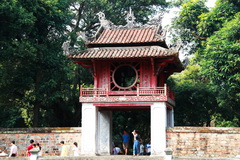
Le temple de la Littérature (vietnamien: Văn Miếu-Quốc Tử Giám), ou sanctuaire du Prince propagateur des Lettres est un temple confucéen situé dans la partie ouest de la vieille ville d'Hanoï, capitale du Viêt Nam. C'est le plus important des...
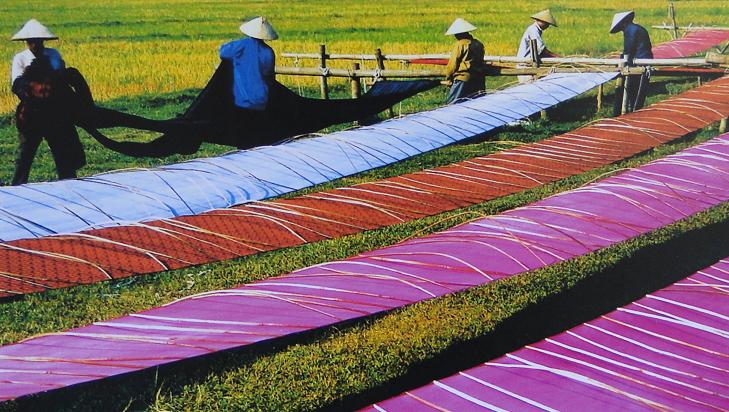
Village de soie Van Phuc Situé à une quinzaine de kilomètres du centre de Hanoï, le village de Van Phuc est semblable à un ruban de soie qui longe la rivière Nhue. La soie naturelle de Van Phuc, appelée soie de Ha Dong et renommée...
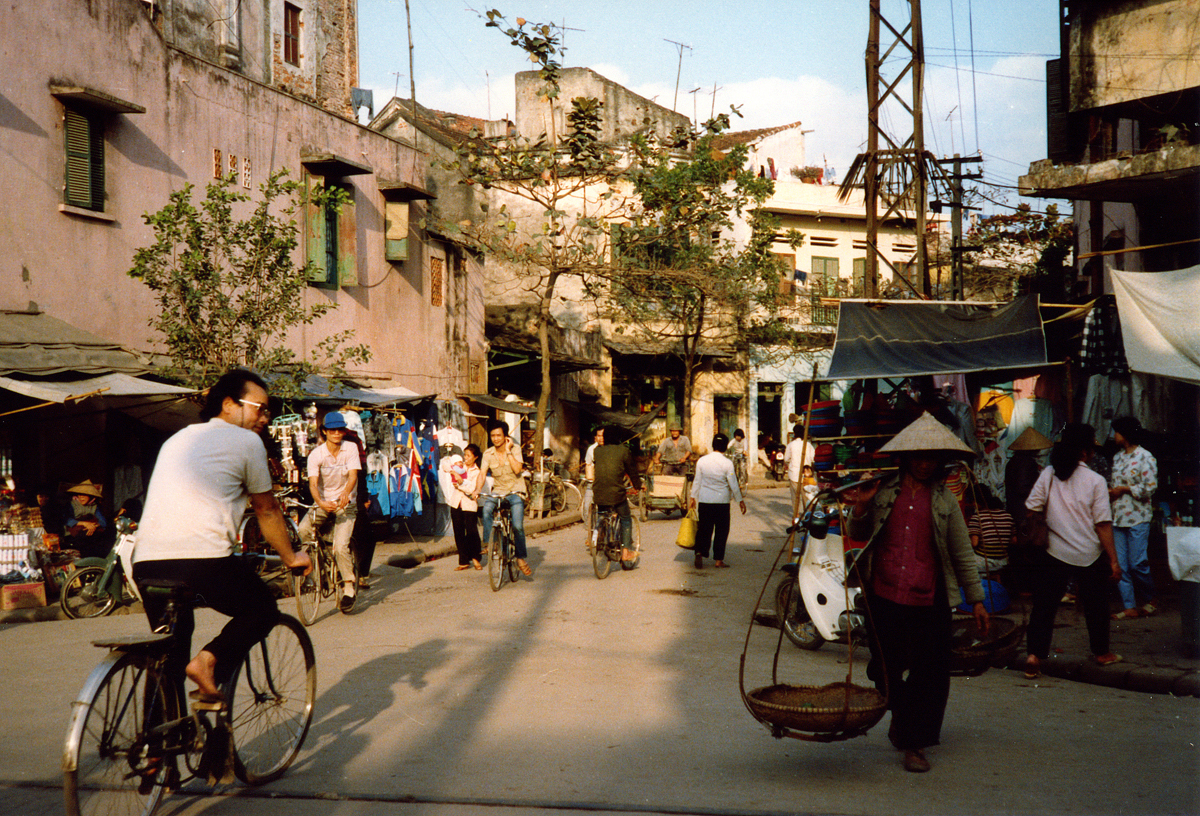
Le Vieux quartier de Ha Noi est situé à côté du lac de Hoan Kiem et est limité par la rue Hang Dau au nord; la rue Phung Hung à l'ouest; les rues Hang Bong, Hang Gai, Cau Go et Hang Thung au sud et les rues Tran Quang Khai,Tran Nhat Duat à...

Soyez le premier à connaître nos offres de voyage exclusives et les nouveaux circuits !.





.png "Vietjet Air")
 Langue

